
In this article
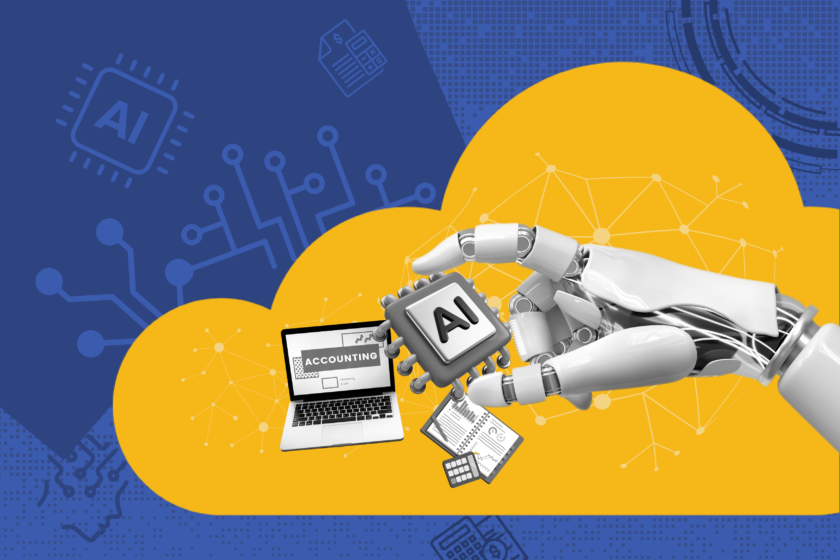
AI has an impact on today’s business world changing every industry—including accounting. Tasks that once took hours of manual data entry, paperwork, and repetitive processing now take minutes with automation. As a result, accounting teams in Singapore and around the world are seeing big changes in how they work how much time they spend on admin tasks, and the kind of insights they can give to the business.
This quick rise of AI has got many people thinking: Will AI take over accountants’ jobs?
The quick answer is no. Instead, AI is taking the accounting field to new heights letting accountants zero in on tasks that matter, like breaking down numbers, making choices, predicting trends, and giving advice. Rather than kicking humans out, AI is making their roles stronger by cutting out time-wasters and easing the load of hands-on work.
Also Read: How AI in Accounting Software Helps Tax Planning & Forecasting
What is the Impact of AI on the Accounting World?
AI isn’t just a tech upgrade—it’s a big step forward that’s changed the core of what accountants do. As companies switch from old-school bookkeeping to systems in the cloud with AI help, accountants are getting their hands on smarter tools. These tools help them get things right more often, stay within the rules, and finish jobs faster.
A Digital Accountants survey revealed that 89% of ACCA members think digital skills are needed or very needed for their careers going forward. This shows how accounting is becoming a digital-first field where being good with automation is as crucial as knowing finance.
Dive Deeper: AI In Accounting- Will Accountants Be Replaced?
How Does AI Affect Accounting
AI Takes Over Boring Tasks
Accountants deal with tons of paperwork every day—expense reports, bills from suppliers, bank statements financial records, payroll documents and more. Doing all this by hand often causes delays, burnout, and mistakes. AI takes over these jobs giving accountants a chance to spend less time on routine entries and more time looking at data.
Today’s accounting software can read bills, link bank transactions, create financial reports, remind people about late payments, and sort expense info without any manual work. This change lets finance teams work smarter, not harder, and stay accurate even when handling lots of transactions.
AI Boosts Financial Planning and Analysis
Financial planning and forecasting are essential to every business. In the past, teams depended on looking back at reports and updating spreadsheets, which took a lot of time. Now, AI-powered dashboards show up-to-the-minute information on money coming in, expenses, profits, and cash flow patterns.
This allows accountants to:
- Spot risks sooner
- Make predictions based on data
- Help with big-picture business planning
- Give timely advice to leaders
AI doesn’t take the place of financial experts—but it gives them deeper understanding cleaner data, and a stronger base to plan for the long run.
AI Improves Fraud Catching and Following Rules
Stopping fraud is one of the biggest upsides of AI in accounting. Unlike manual checks, AI systems can look through thousands of records in no time and see patterns that people might miss.
AI helps financial teams spot:
- Fishy or double transactions
- Supplier oddities
- Unusual spending habits
- Unauthorized money moves
- Paperwork gaps
By catching these warning signs , AI stops problems before they start and boosts rule-following.
AI also pitches in with tax rules by doing tax math keeping tax laws current double-checking entries, and creating ready-to-send reports. This cuts down on fine risks and keeps the company in step with the newest rules.
Keep Reading: Will AI Replace Accounting Roles or Enhance Them?
Will AI Take Over Accounting Jobs? The Real Story
Despite what some think, AI isn’t here to steal accounting jobs. AI tackles the repetitive stuff; accountants handle the tough calls, ethics questions big-picture choices, and people-focused advice roles.
AI can’t replace the need for:
- Grasping business context
- Weighing financial effects
- Making sense of complex tax rules
- Giving advice and guidance
- Choosing the right thing to do
- Forming bonds with clients or key players
Instead, AI frees up accountants from tasks that eat up time so they can zero in on work that adds more value. Accounting jobs are changing—not going away.
To Wrap Up: AI Boosts Accounting Jobs, Doesn’t Wipe Them Out
Bringing AI into accounting has clear upsides—quicker work fewer mistakes better rule-following, and deeper insights. Instead of putting jobs at risk, AI is reshaping the field to prize strategic thinking, the ability to advise, and high-level analysis.
Accountants who use AI will see better career growth. They’ll move into leadership, advisory, and decision-support jobs. Companies will also gain from improved accuracy, productivity, and financial control.
Is your company ready to use AI-powered accounting tools that boost operations and help with decision-making? Info-Tech’s Accounting Software has what you need—with automation, round-the-clock support and an easy-to-use interface.
Frequently Asked Questions:
Will AI take over accountants’ jobs in the future?
No. AI makes routine jobs easier but can’t replace human thinking big-picture planning, and money advice work.
What accounting jobs does AI make easier?
AI handles bill processing, bank matching sorting expenses, money reports, tax math, and spotting odd things.
How does AI make accounting more correct?
AI cuts down on hand typing, stops data copying, checks transactions, and points out weird activities making everything more correct overall.
How does AI support tax compliance?
AI has an impact on tax rules by updating them on its own. It figures out GST and other taxes without mistakes. It also creates tax reports that follow the rules.
What skills do accountants need in an AI-driven future?
To understand digital tools, to think, to plan finances, to give advice, and to know how to use cloud accounting software.
